
Riccardo Francovich Territorial Documentation Centre
Scarlino Museums


Scarlino Museums
CDT “Riccardo Francovich”
The Riccardo Francovich Local History Documentation Centre was established in 1991 by the Municipality of Scarlino to collect the results of archaeological research carried out at Rocca Pisana from 1979 to 1983, under the direction of Riccardo Francovich.

The excavations, which laid the foundations for medieval archaeological research in Italy, have uncovered numerous masonry structures and finds essential to our understanding of the area’s history.
The work carried out at the Rocca has made it possible to reconstruct the main stages in the history of the Scarlino hill, beginning around the 12th century BC.
The museum’s three exhibition rooms illustrate the phases of life and activity in the Rocca area through artefacts and educational panels in both Italian and English.
CDT - Riccardo Francovich
Riccardo Francovich
Territorial Documentation Centre
Via Panoramica della Rocca, 2
58020 Scarlino GR
Inside the CDT

The first room displays artefacts from the earliest phases of occupation of the site, spanning from the Bronze Age (12th–10th century BC) to the end of the Etruscan period (3rd century BC).
Fragments of coarse pottery come from layers associated with the protohistoric village, where excavations uncovered two huts and traces of structures used for the preservation and storage of food supplies. The settlement was probably destroyed and abandoned after a fire that burned down the huts.
A small terracotta oil lamp dates to the Iron Age (late 8th century BC). From the Etruscan period (late 7th–6th century BC) come ceramic fragments from a wine amphora, a small cup, and a small pot used for food storage. At this time, the hill was occupied by a settlement engaged in metallurgical activities, particularly the smelting of haematite iron ore from the Island of Elba.
Finds dating from the 4th to 2nd centuries BC include vessels used for the storage and consumption of food. In this period, the hill was occupied by an imposing defensive structure, a true fortress dominating the Gulf of Follonica and the Island of Elba.
The display case on the left side of the room contains objects and ornaments from the modern period, recovered from cemetery areas both outside and inside the castle church. These include bronze votive medals; finger rings in gold, silver, and bronze; and everyday items such as pipes, thimbles, buckles, buttons, and pendants.

The second room displays a wide variety of ceramics produced between the 9th and 18th centuries: imported wares from the Mediterranean basin (Liguria, Tunisia, Byzantine Greece), local productions, archaic majolica, engobed ceramics, and graffito wares.
In the 9th century, the top of the Scarlino hill probably became the administrative centre of a curtense estate, marked by new types of construction and an early hierarchical organisation of space. This process culminated between the late 9th and early 10th centuries with the construction of a masonry church decorated with frescoes.
At the end of the 13th century, Scarlino fell under the political and military control of Pisa, which built the fortified Rocca on the hilltop to secure its new territories. Ceramics from the 14th and 15th centuries, dating to the Pisan phase, include jugs, basins, bowls, majolica vessels, a small amphora, a lid, two spindle whorls, a pot, a green-glazed jug, and a glazed pan made with coarse clay.
From the period of the Appiani family (15th–16th centuries) come an albarello jar, a polychrome majolica jug, and a polychrome engraved ceramic mug. Later productions from the 16th to the 18th centuries include plates, mugs, bowls, and dishes in majolica, as well as engobed and graffito wares.
Educational panels trace the five main phases of life on the Scarlino hill: from the monumental late Etruscan fortress to the 6th-century hut village, later transformed into a castle under the Aldobrandeschi family, and finally into a military fortress under the Pisan commune.
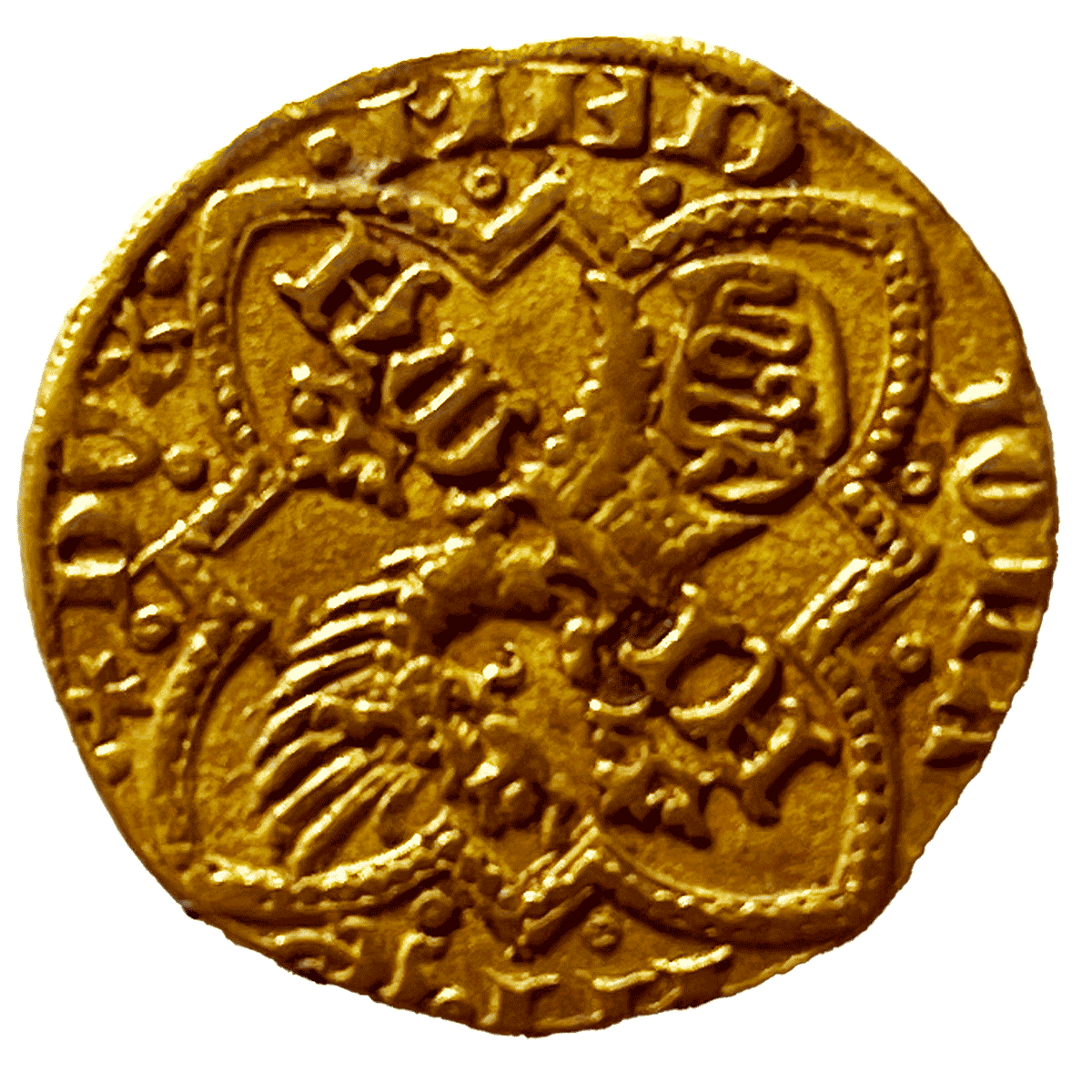
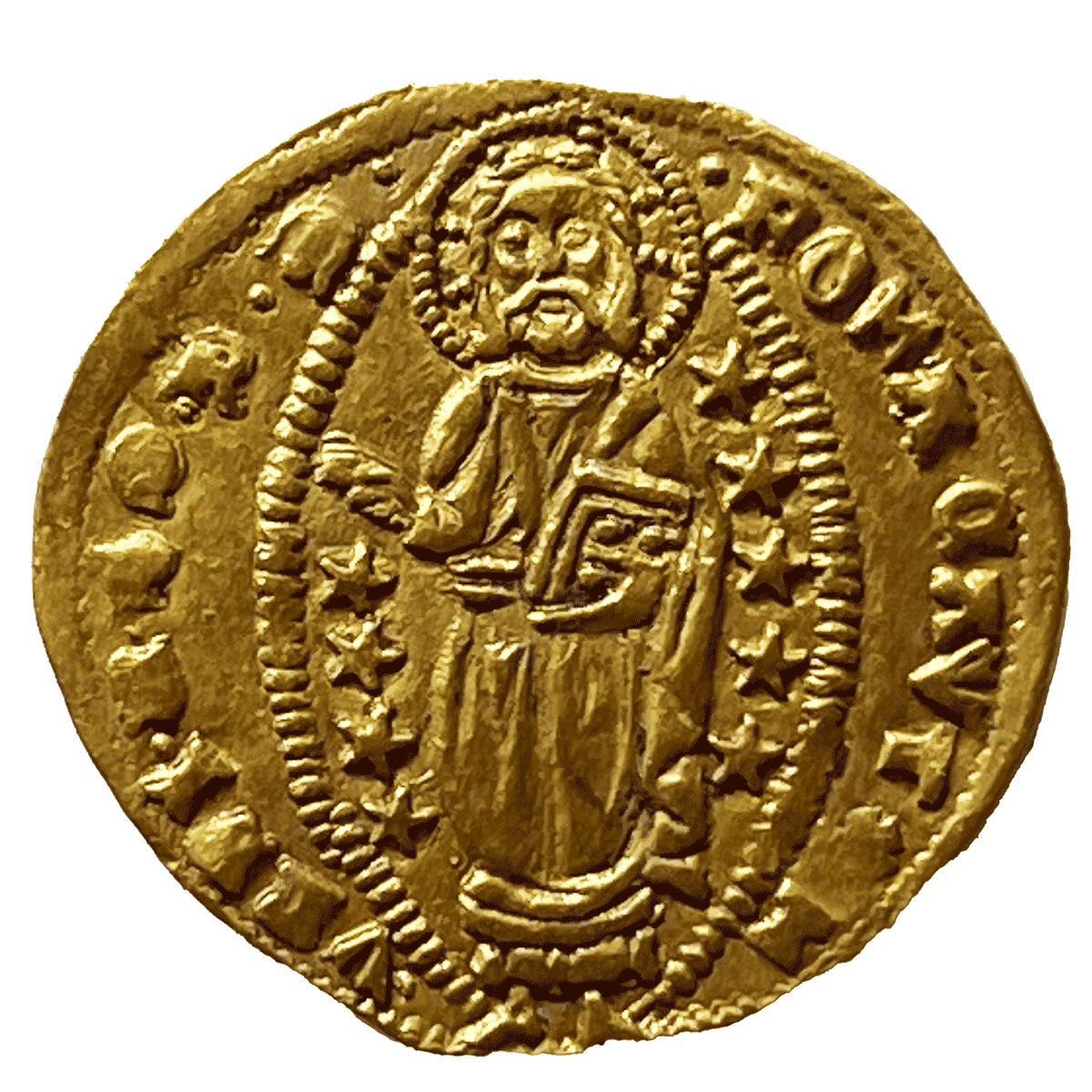
A small display case presents the coins recovered during the excavations on the hill of Scarlino. Though few in number, they testify to the site’s long history—from a bronze as of the 3rd century BC to a coin of the Prince of Piombino dating to the second half of the 17th century.

da non perdere
Scarlino Museums
The Treasure of the Fortress
The so-called Treasure of the Fortress consists of one hundred gold coins dating to the 15th century, discovered inside a ceramic container hidden in a niche carved into the wall of the stable next to the castle church. The hoard, recovered during archaeological excavations, was still concealed behind stones used to seal the small opening. Its study has shed light on the Renaissance community of Scarlino, revealing its connections as well as its anxieties.


